

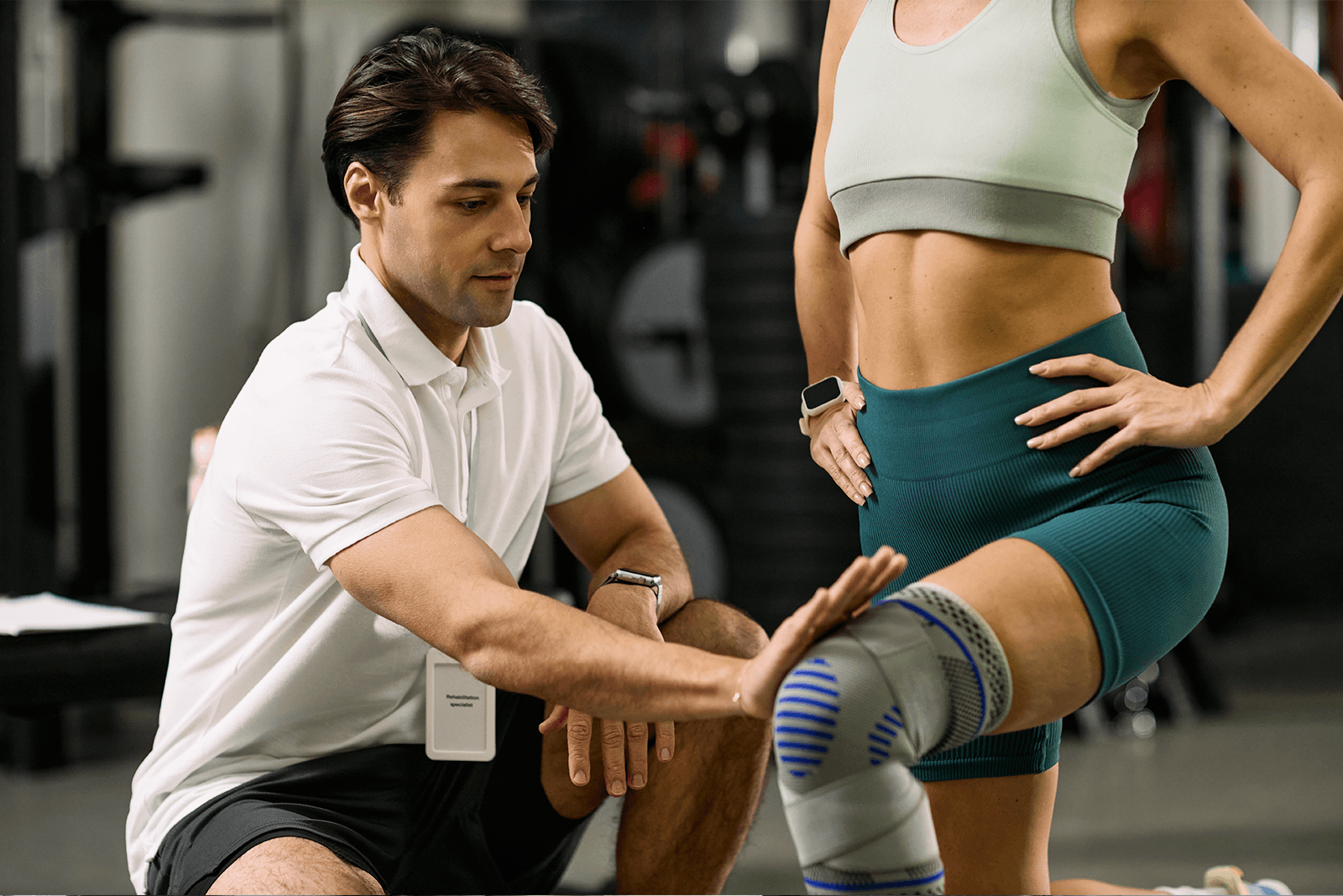
After weeks of recovering from an injury, it’s completely understandable to want to get back to the sport you love as soon as possible. But returning before your body is ready can increase your risk of re-injury and leave you back where you started. Rather than focusing on how much time has passed, it’s more important to know whether you’ve regained the strength, movement and confidence your sport demands.
In this guide, we’ll explain how to recognise when you’re ready to return, how physiotherapy supports your recovery, and how to prevent sports injuries in the future.
How Do You Know You're Ready to Return to Sport After Injury?
Physical Readiness Signs
Most physiotherapists look for the following before recommending a return to sport:
- Full, pain-free range of movement in the injured area.
- Strength in the injured limb close to your uninjured side.
- No swelling or ongoing symptoms during activity.
- Confidence performing sport-specific movements at full intensity.
Why Rushing Back Increases Re-Injury Risk
Returning before these criteria are met increases the risk of re-injury, which often takes longer to recover from than the original problem. The NHS guidance on sprains and strains supports a staged, symptom-guided return rather than relying on a fixed timeframe.
How Physiotherapy Supports Sports Injury Recovery
Physiotherapy for sports injury recovery goes beyond treating pain, restoring the strength, movement, and control needed to perform safely.
- A thorough assessment to identify the injury and any contributing factors.
- A tailored rehabilitation programme targeting strength, flexibility, and control.
- Sport-specific functional testing before you return to training.
- Ongoing guidance to adjust your programme as you progress.
A Graduated Approach to Returning to Sport
| Stage | Focus | Example Activity |
|---|---|---|
| 1 | Pain-free daily movement | Walking, light mobility work |
| 2 | Controlled loading | Non-contact drills, light jogging |
| 3 | Sport-specific training | Full-intensity drills, change of direction |
| 4 | Return to competition | Full training and match play |
How to Prevent Sports Injuries in the Future
While not every injury can be prevented, good preparation and training habits can significantly reduce your risk.
- Warm up with dynamic movements before training or competition.
- Increase your training load gradually, rather than in sudden spikes.
- Build strength and address muscle imbalances through conditioning exercises.
- Allow adequate rest and recovery between training sessions.
- Seek advice early if pain develops, rather than trying to play through it.
How Physio Perfect Supports Your Return to Sport
Assessment and Sport-Specific Testing
A Plan Built Around Your Sport and Goals
Get Back to the Sport You Love Safely
Recovering from an injury can be frustrating, especially when you’re eager to get back to training or competition. Book an assessment at Physio Perfect, and our physiotherapists will work with you to assess your progress, build a rehabilitation plan tailored to your goals, and help you return to sport safely and confidently.
Frequently Asked Questions
How do I know when I'm ready to return to sport after injury?
How does physiotherapy help with sports injury recovery?
How can I prevent sports injuries in the future?
What happens if I return to sport too soon after an injury?
How long does it typically take to return to sport after an injury?
Do I need a physiotherapist to return to sport safely?

John Smith
BSc(hons) Pharmacy
GPhC Number: 2061107