
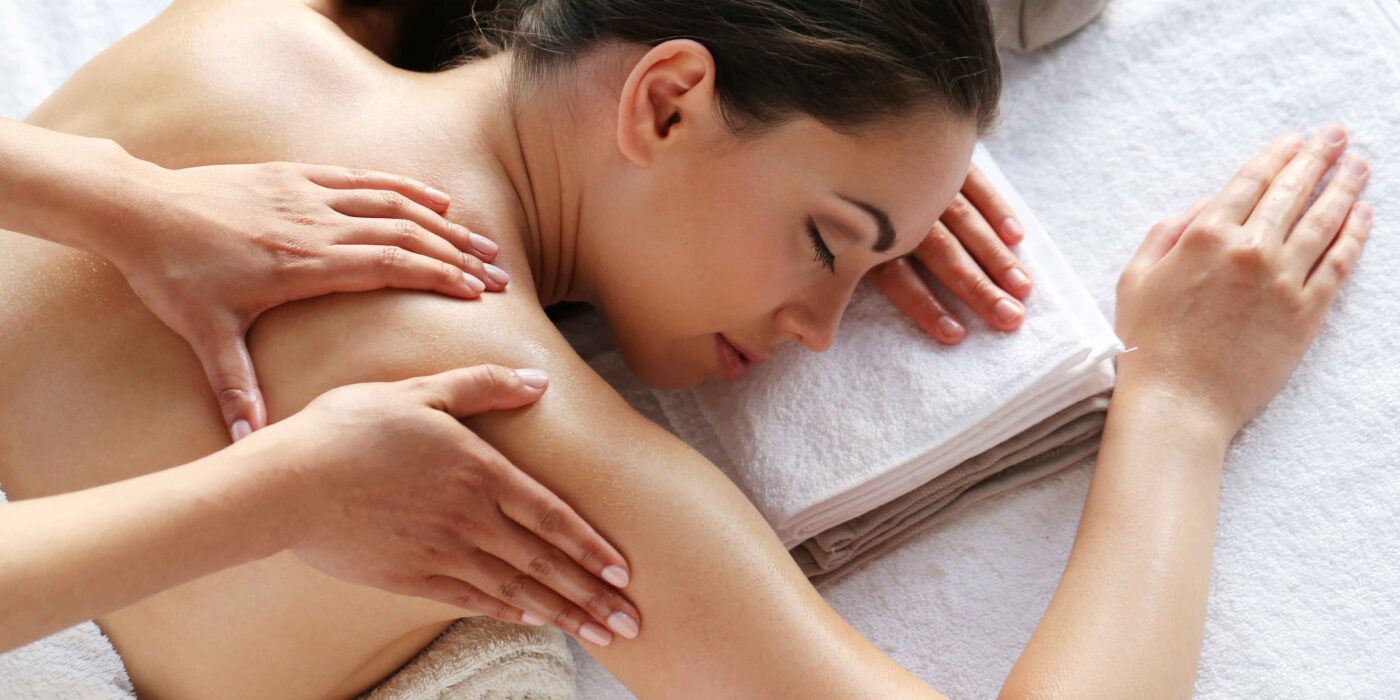
Expert Massage Therapy for Recovery and Relief
Types of Massage Therapy We Offer
Sports Massage Physiotherapy
Aimed at athletes and active people, sports massage physiotherapy supports muscle recovery before and after training or competition, and can form part of a wider injury-prevention plan.
Deep Tissue Massage
Our deep tissue massage therapists work on the deeper layers of muscle to release stubborn tightness, particularly useful for chronic tension that lighter massage hasn’t resolved.
Remedial Massage Therapy
Remedial massage therapy targets specific areas of muscular dysfunction or injury, often used alongside your wider physiotherapy treatment plan.
General & Relaxation Massage
For everyday tension and stress, a lighter, broader massage can ease tightness and support overall wellbeing.
Who Can Benefit from Massage Therapy?
Massage therapy may be suitable for people experiencing:
- Sports-related muscle soreness.
- Tight neck and shoulders.
- Back discomfort linked to muscle tension.
- Desk-related postural aches.
- Muscle stiffness affecting movement.
- Reduced flexibility or movement due to stiffness.
- Muscle tightness after exercise or physical activity.
Benefits of Massage Therapy
- Relieves muscle tension and stiffness.
- Improves circulation to soft tissues.
- Supports recovery after exercise and sporting activity.
- Enhances flexibility and range of movement.
- Helps reduce post-training soreness.
- Promotes relaxation and stress relief.
- Complements physiotherapy for musculoskeletal conditions.
Our Approach to Massage Therapy
- Comprehensive Assessment: We identify which muscles need attention and choose the right technique and pressure for your goals.
- Individualised Treatment: Whether that’s sports massage physiotherapy before a big event or remedial massage therapy for chronic tightness, treatment is matched to your needs.
- Integrated With Your Wider Care: Massage is often paired with manual therapy, dry needling, or an exercise programme for longer-lasting results.
Book Massage Therapy at Physio Perfect
Whether you’re preparing for a sporting event, recovering after training, or simply looking to ease persistent muscle tension, our experienced physiotherapists can tailor massage therapy to your needs. From Slough and Burnham to East Burnham, Farnham Common, Farnham Royal, Fulmer, Gerrards Cross, Hedgerley, Stoke Poges, and Taplow, Physio Perfect brings massage therapy to patients across the area. Book your massage therapy today and take the next step towards moving more freely and feeling your best.