
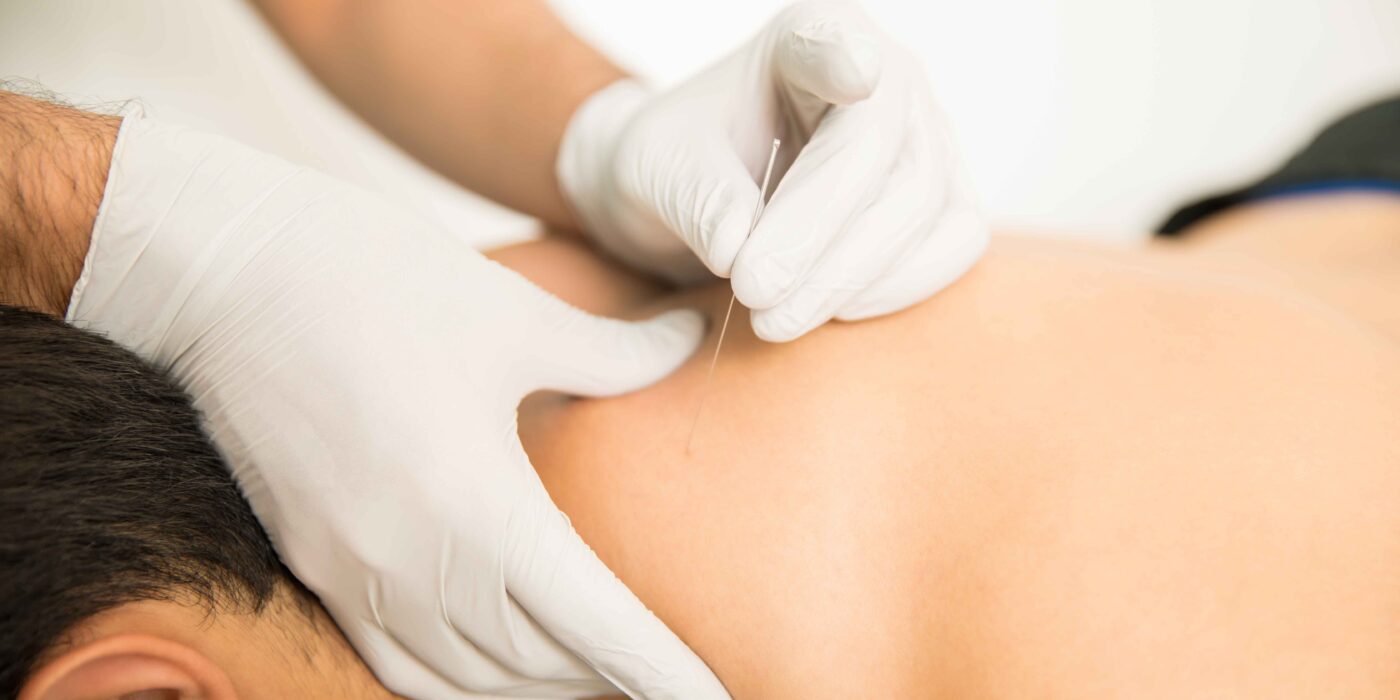
Expert Dry Needling for Muscle Pain Relief
Conditions We Treat at Physio Perfect
Muscle & Myofascial Pain
Dry needling releases the tight muscle bands and trigger points that commonly cause deep, aching pain.
- Myofascial pain syndrome
- Muscle strains and sprains, once any initial swelling has settled
- Fibromyalgia-related muscle tightness
Neck, Back & Headache-Related Pain
- Chronic neck and back pain
- Tension headaches
- Sciatica-type pain caused by muscle tightness, such as piriformis syndrome
Joint & Nerve-Related Pain
When pain around a joint or nerve is driven by surrounding muscle tightness, dry needling can ease pressure and improve movement.
- Shoulder pain
- Tennis elbow (lateral epicondylitis)
- Forearm muscle tightness associated with carpal tunnel syndrome
- Hip and gluteal pain
If your pain is linked to a broader musculoskeletal condition beyond what's listed here, our Musculoskeletal Rehabilitation service may be a better starting point.
Tension Headaches
Headaches arising from muscle tightness and tension in the neck and shoulders.
Fibromyalgia
A condition characterized by widespread musculoskeletal pain, fatigue, and tenderness in specific areas.
Shoulder Pain
Pain related to conditions such as rotator cuff injuries, frozen shoulder, or general muscle tightness around the shoulder joint.
Tennis Elbow (Lateral Epicondylitis)
Pain and inflammation of the elbow caused by repetitive strain and muscle tension in the forearm.
Carpal Tunnel Syndrome
Pain and numbness in the wrist and hand caused by compression of the median nerve, often associated with muscle tightness.
Hip and Gluteal Pain
Discomfort in the hip and gluteal region, which may be related to muscle imbalances or tightness.
Sciatica
Pain radiating along the path of the sciatic nerve, often due to muscle tension or trigger points in the lower back and hips.
Benefits of Dry Needling
Dry needling offers a range of benefits that can help relieve pain, improve movement and support your recovery.
- Targeted Relief: Releases tight muscles and trigger points.
- Improved Mobility: Reduces stiffness and improves movement.
- Enhanced Recovery: Works alongside physiotherapy.
- Back to Your Day: Little to no downtime after treatment.
Our Approach to Dry Needling
- Thorough Assessment: We identify which muscles and trigger points are contributing to your pain before any needle is used.
- Precise, Hands-On Technique: Our dry needling therapists insert fine needles directly into affected muscle tissue, often combined with manual therapy for longer-lasting relief.
- Integrated Treatment Plan: Dry needling works best as part of a wider rehabilitation programme. We combine it with manual therapy, targeted exercises and practical advice to support longer-term improvement.
Ready to Feel the Difference?
Whether you’re struggling with persistent muscle pain, tightness or trigger points, our experienced physiotherapists are here to help. We welcome patients from Slough, Burnham, East Burnham, Farnham Common, Farnham Royal, Fulmer, Gerrards Cross, Hedgerley, Stoke Poges, Taplow and the surrounding areas. Book your appointment today and let us help you move with greater comfort and confidence.